Ridge Vent Roofing: A Must-Have for Commercial Building Efficiency
Ridge Vent Roofing: A Must-Have for Commercial Building Efficiency
Blog Article
Different roofing materials characterize commercial and residential structures. Residential roofs predominantly feature materials such as asphalt shingles, clay tiles, or metal roofing. These materials are chosen for their aesthetic appeal, affordability, and efficiency in shedding rain and snow. For instance, shingles provide a classic look, while metal roofs can last longer and often come with energy-efficient options. In contrast, commercial roofs frequently utilize materials like EPDM rubber, TPO, or modified bitumen. These roofing types cater to flat or low-slope designs and prioritize durability and longevity over aesthetics. Many commercial buildings require extensive roof nailing and specific installation techniques to ensure resilience against harsh weather conditions. The structural differences between commercial and residential roofing systems also play a significant role. Commercial roofs often require a more complex system of insulation and ventilation due to larger surface areas. They might incorporate features like roof drains and extensive HVAC units, which aren't typically found in residential roofs. Moreover, commercial roofing systems are usually designed to withstand heavier loads, making them durable enough for rooftop maintenance activities, storage of equipment, and even installation of solar panels. The choice between a flat or sloped roof can also reflect functionality; flat roofs provide additional space for HVAC systems and other necessities. When weighing costs, commercial roofing can be more expensive upfront due to the need for more durable materials and specialized installation techniques. However, this investment can pay off in the long run with reduced maintenance costs and extended lifespans. Regular inspections and timely repairs are crucial in prolonging the life of both commercial and residential roofs. While residential roofs typically require routine inspections every few years and may need replacement after 20-25 years, commercial roofs can last 30 years or more with proper care. Selecting a reliable roofing provider is vital, whether for your home or business. Look for a company with a solid reputation in your locality, such as the Great Falls best Roofing Company, known for both residential and commercial work. Ensure the company you choose has experience with the specific type of roofing you require, such as Great Falls best Commercial Roofing services. Always ask for references and verify licenses and insurance. It's essential that these professionals are well-versed in the materials and techniques suited for either type of roofing. For further insights into roofing options, consult the article on roof systems. Investing in your roof is critical. Make sure to involve a professional team for inspections and installation to ensure longevity and effectiveness. Steps to Make the Right Choice
Material Differences and Choices
Understanding Roofing Systems
Cost Considerations and Maintenance
Choosing the Right Roofing Company
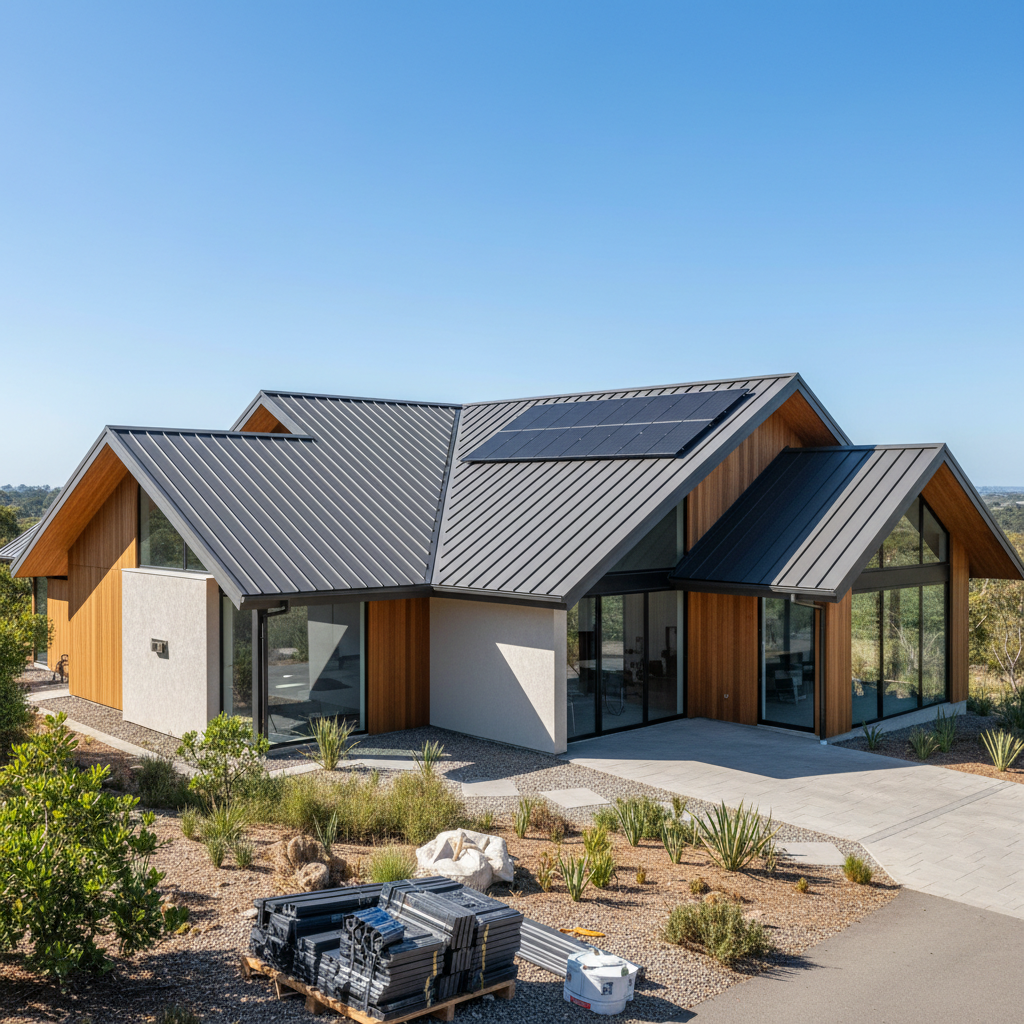 roof installroof install
Helpful Tips for a Successful Roofing Experience
Commercial Roofing read the facts vs Residential roofing
Frequently asked questions
What is the main difference between commercial and residential roofing?
The primary difference lies in the roofing materials and systems; commercial roofs are often flat and built with durable materials, while residential roofs are usually sloped and made with shingles or tiles.
How long do commercial roofs last compared to residential roofs?
Commercial roofs generally last longer, often exceeding 30 years with proper maintenance, while residential roofs may need replacement every 20-25 years.
What materials are best for residential roofing?
Common materials include asphalt shingles, clay tiles, wood shakes, and metal roofing, each offering different benefits suited to residential needs.
Are commercial roofing systems more expensive than residential ones?
Yes, commercial roofing systems often involve more expensive materials and installation processes, but they can lead to overall savings through durability and efficiency.
How can I choose the right roofing company?
Look for a company with a strong local reputation, verified experience in the roof type needed, and positive customer reviews.
Is it worth investing in quality roofing materials?
Investing in high-quality roofing materials usually results in better longevity, efficiency, and potentially lower repair costs over time.